codeAK
Empowering K-12 educators with free content and news in computer science,
digital literacy, and artificial intelligence.

"The rise of AI makes computer science education more important, not less. While learning to use AI is valuable, learning how it works, where it fails, and who controls it is what lets students shape and govern the technology, rather than passively consume it." — Defining AI for Computing Education, Computing Research Association
This Month's PickThe Hour of AI, December 7-13K-12 | One hour | Free | Educators and students Your students use AI every day. The Hour of AI gives them an hour to find out how it works. (That goes for you, too.) The Hour of AI comes from the makers of the Hour of Code. Activities come from Code.org, Google, Microsoft, Minecraft, LEGO Education, the Scratch Foundation, and others. They work on laptops, tablets, or with no devices at all, and no AI experience is needed. New activities launch November 16. Signing up gets you free webinars and a classroom toolkit. Technology continues to advance, and everyone in your classroom gets a say in what it becomes. For your students, what they build might be a game, or the confidence to question what AI tells them. For you, it might be a new way into how AI works. Keep at it, and that becomes digital fluency: the ability to understand, direct, question, and create with the technology shaping our world. CS Education Week: This year's theme is Open House: CS Belongs in Every Classroom. CSTA is hosting free virtual events for PK-12 teachers of any subject, with no CS experience needed. All times are Alaska time. You need a free CSTA account to register.
Dates and Deadlines
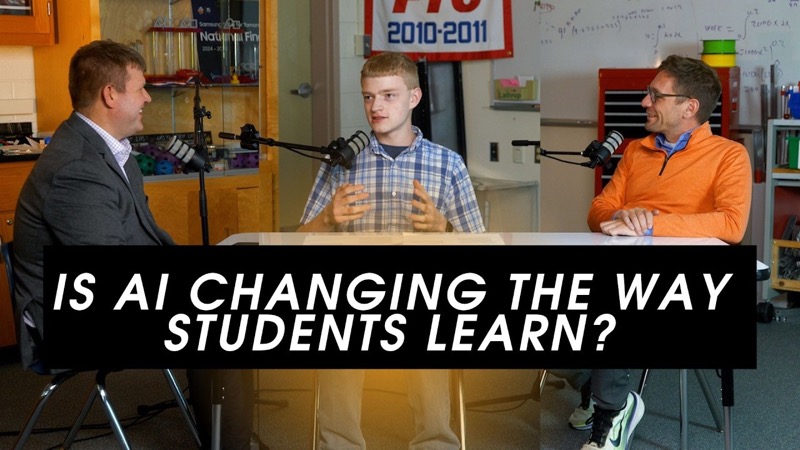
All times are Alaska time. Spotlight on AlaskaLathrop Junior Brings an MIT AI Symposium Home to FairbanksFairbanks | Podcast episode | Educators, administrators, and families Lathrop High School junior Doug Green recently attended the Day of AI Student Senate at MIT. He talked about the trip on the Fairbanks North Star Borough School District's podcast, Alaska EdVenture, with Superintendent Dr. Luke Meinert and Chris Benshoof, who teaches engineering, AP Statistics, and economics at Lathrop. The three discuss how AI is showing up in classrooms, what it offers students and teachers, where it causes problems, and how schools can prepare students for a future shaped by it. Nominate Someone for the 2027 Governor's Arts and Humanities AwardsStatewide | Open through January 31, 2027 | Anyone can nominate The Alaska State Council on the Arts and the Alaska Humanities Forum are taking nominations for the 2027 Governor's Arts and Humanities Awards. Categories include Education, Leadership, Community, Alaska Native Arts, Individual Arts, and Arts Education. Any Alaska person or organization can be nominated, except current council or board members, staff, and past recipients. A nomination needs a statement of up to 400 words, a bio or resume, and three to five letters of support. The letters take the longest to collect. Curriculum CornerAI Trivia Time from Day of AIAges 8-18 | Short game | Free | Educators Day of AI's trivia game is led by the teacher and played as a class. It needs no student accounts, AI tools, or prior AI knowledge. A new weekly game posts with a leaderboard by age group; this week's is a Halloween edition. Four more games are ready to play anytime, on the differences between humans and AI, how AI models reason, how training data shapes AI output, and when it makes sense to use AI at all. AI Lessons and Courses from Verizon Innovative Learning HQK-12 | Lessons, courses, and webinars | Free | Educators Verizon Innovative Learning HQ updated its Artificial Intelligence and Robotics course for 2026. The course helps students understand, explore, and apply AI and robotics through connected learning experiences. For a single class period, Explore a Hidden World with AI is a classroom-ready lesson on how AI is used in everyday life. For teachers, the Responsible AI for K-12 Educators webinar covers using AI safely, ethically, and effectively in the classroom. AI and Robotics course | Explore a Hidden World with AI | Responsible AI webinar How Feeds Work and What Kids Get from Gaming, from NAMLE's Youth CouncilGrades 6-12 and families | Self-paced | Free | Students, educators, and families Students on NAMLE's Youth Advisory Council built two new resources. The Feed Effect explains how online behavior, data collection, and algorithms decide what shows up in a feed. It includes student-written blog posts, a zine, and an interview with a former Meta employee. Understanding Gaming, made with the Roblox Teen Council for Civility and Well-Being, is a toolkit in English and Spanish for families. It takes on three common beliefs about gaming: that online friends aren't real friends, that games teach nothing useful, and that gaming is mostly male. Each comes with a short video and conversation starters. Free CS Courses from CS++, Including APGrades 9-12 | Full courses | Free, with paid upgrades | Educators CS++ offers ten free courses that run in the browser on any device: AP Computer Science Principles, AP Computer Science A, AP Cybersecurity, Intro to Java, Intro to Python, Intro to Web Design, CS Foundations, HCI Design, Data Structures and Algorithms, and 2D Game Design. A teacher who has taught AP CS for over 20 years built it. A free teacher account includes class rosters, progress tracking, and an assignment builder. Paid school plans add proctored quizzes, AI grading, and LMS grade sync. CS++ is not affiliated with the College Board. Free, Open-Source Design Apps from ArtCraftAll grades | Browser or desktop | Free | Early development 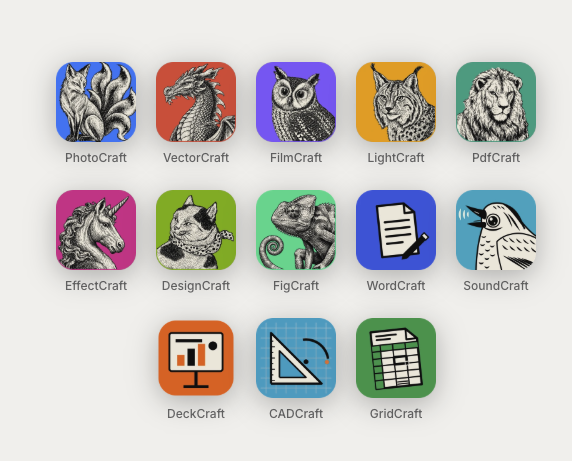
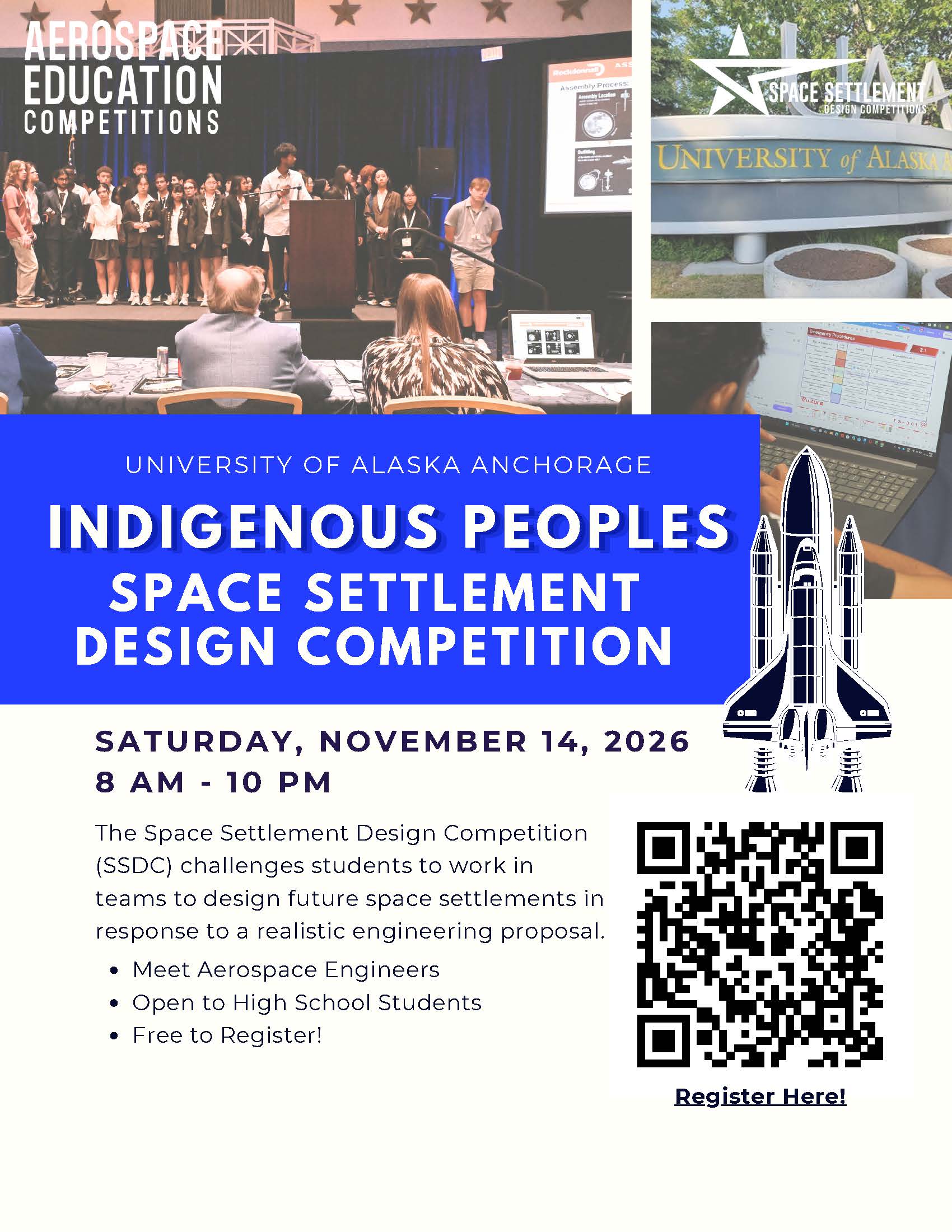
ArtCraft is building a set of 13 free, open-source creative apps covering photo editing, vector illustration, page layout, interface design, audio, presentations, and CAD. All but the video editor run in a browser tab. Most are still in development, and the photo editor, PDF tools, and interface designer are in early alpha, so test one before building a lesson around it. Student OpportunitiesIndigenous Peoples Space Settlement Design CompetitionHigh school students | Nov 14, 8:00 AM-10:00 PM | University of Alaska Anchorage | Free 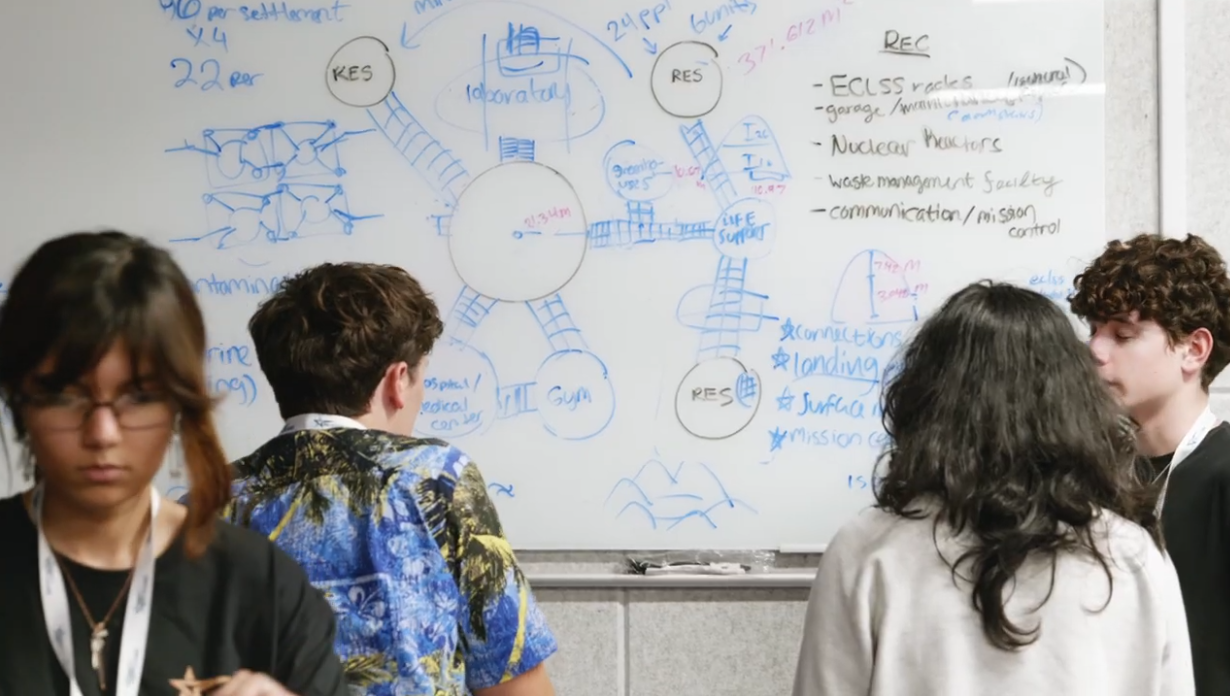
Students will work in fictional aerospace companies to design a future space settlement and present their proposal to professional judges. No team or prior aerospace experience is needed; organizers will form teams. Breakfast, lunch, and dinner are provided. Students may also be selected for the international competition, where hotel accommodations and meals are provided.
Register by November 13 | Learn more Samsung Solve for Tomorrow Closes November 23Grades 6-12, public schools | Short entry | Free | Teacher submits Student teams propose a solution to a problem in their own community. A teacher at a school that is at least 50% publicly funded submits a five-question entry. The top 500 schools win prizes, from $500 up to $50,000 for the national winner. Girls Who Code Pathways, Spring 2027Grades 9-12 | 7 weeks, self-paced | Free | Virtual A free, virtual program for high school girls and non-binary students, with no coding experience required. Participants pick tracks such as AI, game design, and cybersecurity and build projects with mentors and peers. The spring program runs March 1 to April 16. Applications close December 16. For LeadersWhat Counts as AI Education? A New Framework from Computing ResearchersAdministrators | 15-minute read The Computing Research Association, working with the CSforALL Alliance, ACM, and CSTA, released a framework in August that defines AI literacy and AI education and how each relates to computer science. Its argument is that AI literacy needs a computer science foundation but can't replace it. Teaching only tool use leaves students able to operate AI but not to build or evaluate it. If your district is writing AI guidance or choosing an AI literacy curriculum, the definitions give a board or committee shared terms to work from. DEED's AI guidance for districts has a model board policy and a vendor checklist to pair with it. Professional DevelopmentGEG Alaska: Gemini Notebook on November 11K-12 | 1 hour, online | Free | Educators, administrators, and district staff ASTE has partnered with the Google Educator Group Alaska who meet online the second Wednesday of every month, 4:00 to 5:00 PM. On November 11, the session covers Gemini Notebook: upload your own sources, like a unit plan or district guidance, and use it to summarize them, answer questions, and build study materials. On December 9, the topic is vibe coding: describe a simple app in plain language, have Gemini write the code, and leave with a small tool for your class. Each session pairs with a free, self-paced Google course and certification. The full eight-session series earns 1 CEU from DEED, and GEG sessions at ASTE 2027 add another. ASTE 2027 Early Bird Registration Ends November 27K-12 | 3 days, Anchorage | Paid | Educators, administrators, and IT staff ASTE 2027 is February 13-15 at the Hotel Captain Cook in Anchorage. Full conference registration is $430 through November 27. A $325 Weekender pass covers Saturday and Sunday for educators who can't attend all three days. Districts can pay by card or invoice. Sessions run in five tracks: IT Infrastructure, Instructional Leadership, Student Impact, College and Careers, and Emerging Technology, with a focus on AI policy and practice. The schedule posts soon. Share ideas for the next issue. Have a school project, local event, or resource worth sharing? Send it to me!
✉️ anthony.white@alaska.gov This newsletter is an initiative of the Division of Innovation & Education Excellence. We prioritize free resources and mark anything paid. You are receiving this email because you signed up to receive information on K-12 computer science and digital literacy. |